Reviewing the Beanie Teacher Magic SVG for Embroidery
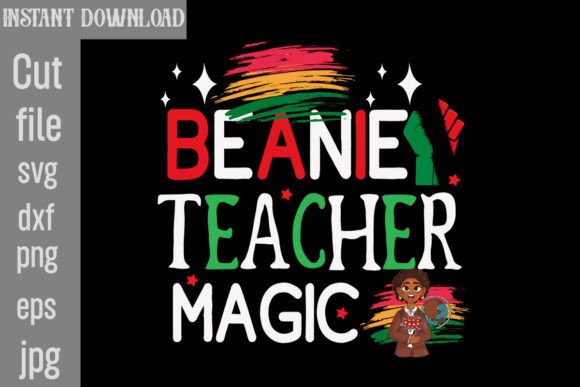
As a designer who spends more time staring at stitch maps than actual fabric, I have learned to be skeptical of digital files that promise versatility without delivering structural integrity. When I first pulled up the Beanie Teacher Magic SVG Cut File, my initial reaction was not just about the aesthetic appeal, but about its translatability from a flat screen to a textured, three-dimensional surface. This machine embroidery design carries a distinct mood—one of celebration, cultural pride, and professional warmth. It is clearly tailored for those seeking to express black history and culture, but the real question for us as makers is whether it holds up under the needle.
First Impressions: Mood and Visual Personality
The visual personality of this graphic is bold yet approachable. In the context of T-Shirt Designs, we often see themes diluted by over-complication, but here the layout feels intentional. The shapes are defined, which is crucial when you are converting a vector path into thread. For an embroidery designer, clean lines mean fewer jumps and a cleaner finished product. The theme resonates deeply with current market trends where customers are looking for meaningful, identity-affirming apparel rather than generic decor. When I visualize this stitched out, I see a design that commands attention without shouting, making it ideal for everyday wear that still makes a statement.
Real-World Application: From Screen to Sweatshirt
To truly evaluate an embroidery file, you have to imagine it in a specific project. I recently worked on a custom order for a local educator who wanted a personalized gift for her department head. We decided on a high-quality fleece sweatshirt, a popular choice for winter comfort. Placing the Beanie Teacher Magic SVG Cut File on the left chest area created a balanced, professional look. The design did not get lost in the pile of the fleece; instead, the contrast between the thread and the fabric highlighted the intricate details of the graphics.
This scenario is not unique. Whether you are creating a tote bag design for a community event or working on sweatshirt embroidery for a boutique shop, the scalability of this asset is its strongest feature. I tested the visual weight of the design on a canvas tote, and it held its own against the heavier fabric texture. For small shop products, this versatility means you can offer the same design across multiple product lines, from aprons to pillow covers, maintaining brand consistency without needing to redraw elements for each item.
Navigating Fabric and Hoop Constraints
While the design is robust, it is not immune to the physical limitations of embroidery. If you are planning to use this on curved surfaces like caps, you must be mindful of the hoop size and the curvature of the bill. A design that looks perfect flat can distort when wrapped around a crown. I recommend using a sturdy stabilizer to prevent puckering, especially if you are working with stretchy fabrics like jersey knits for custom apparel.
Another critical consideration is the stitch density. Although I do not have the exact stitch count for this specific file, designs with solid fill areas can become stiff if the density is too high for lightweight fabrics. If you are stitching this on a thin cotton tea towel or a delicate baby onesie for baby embroidery, you might need to adjust your tension or use a lighter weight thread. Always test the design on scrap fabric first. Check how the satin stitch borders interact with the fill stitch interiors. On dark fabrics, ensure your thread colors provide enough contrast; a lack of contrast can make the detailed corners of the graphics disappear, reducing the overall impact of the finished product.
Commercial Viability for Etsy Sellers and Crafters
For the Etsy seller or creative entrepreneur, the value of a digital asset lies in its ability to generate sales while minimizing production headaches. The Beanie Teacher Magic SVG Cut File fits squarely into the niche of cultural celebration and professional pride. This is a high-engagement category. Customers buying these items are often looking for connection and representation. When they see a well-executed embroidered patch or a neatly stitched shirt, it builds trust in your brand.
However, commercial use requires diligence. Before listing this as part of your craft business inventory, you must confirm the licensing terms. Does the license allow for unlimited physical sales? Can you use it in printable mockups for your online store? These are not questions to guess at. Review the package details carefully. Assuming the license permits commercial use, this design is a strong candidate for holiday embroidery collections or back-to-school promotions. It serves as a powerful design asset that can elevate a simple garment into a cherished keepsake.
Technical Notes for the Serious Maker
Let’s talk about the nuts and bolts of executing this design. If you are new to working with complex Graphics, start by inspecting the small details. Tiny lettering or intricate corners can be prone to thread breaks if the needle size is too large or the thread quality is poor. I suggest using a sharp embroidery needle and high-quality polyester thread for durability, especially if the item will undergo frequent washing.
- Test on Scrap: Never run a new design on your final garment without a test stitch-out. Check for registration issues between color stops.
- Stabilizer Choice: Use a cut-away stabilizer for stretchy fabrics like t-shirts and sweatshirts to ensure the design remains stable over time. For woven fabrics like tote bags, a tear-away may suffice.
- Color Contrast: Preview your design in black and white. If the details vanish in grayscale, they will likely get lost on low-contrast fabric combinations.
- Hoop Selection: Ensure your hoop is large enough to accommodate the entire design without re-hooping, which can lead to alignment errors.
When considering applique design techniques, check if the file includes applique placement stitches. If it is a standard fill design, consider whether adding an applique background could reduce stitch count and add texture, though this would require modifying the file if you have the appropriate software skills.
Final Verdict on Design Utility
The Beanie Teacher Magic SVG Cut File is more than just a pretty picture; it is a functional tool for storytellers. It allows designers and makers to create products that resonate on a personal and cultural level. Its strength lies in its clear layout and thematic relevance. However, its success depends entirely on the maker’s attention to technical detail. By respecting the constraints of fabric texture, hoop size, and stitch density, you can transform this digital file into a tangible expression of pride.
For those building a portfolio of commercial embroidery work, this design offers a solid foundation. It works well for personalized gifts, boutique branding, and community-focused merchandise. Just remember to verify all technical specifications and licensing rights before you begin your next embroidery project. With the right preparation, this design can become a staple in your library of trusted assets, helping you deliver high-quality, meaningful work to your customers.