Favorite Basketball Player Calls Teacher Review
As a designer who has spent countless hours digitizing and testing patterns for real-world application, I approach every new machine embroidery design with a critical eye. It is not enough for a graphic to look good on a screen; it must translate seamlessly into thread, withstand the tension of the hoop, and appeal to the end customer. Recently, I evaluated Favorite Basketball Player Calls Teacher, a digital asset that sits at the intersection of sports enthusiasm and educational appreciation. This review breaks down how this specific embroidery file performs in actual production environments, from small craft businesses to larger custom apparel operations.
First Impressions and Visual Personality
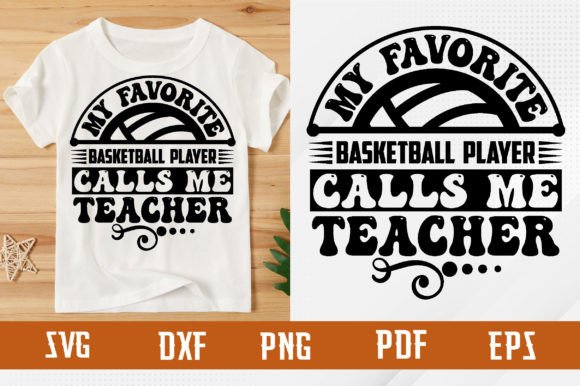
The immediate appeal of Favorite Basketball Player Calls Teacher lies in its thematic clarity. The concept merges two distinct worlds: the high energy of basketball and the structured environment of a classroom. Visually, the design relies on strong, recognizable silhouettes and clear typography. For an embroidery project, this is crucial. Complex gradients do not translate well to thread, but bold shapes and defined lines do. The mood created is playful yet respectful, making it an ideal candidate for personalized gifts that celebrate mentorship through the lens of a student’s passion.
When examining the layout, I look for balance. Does the text overpower the graphic? Is there enough negative space to prevent the fabric from puckering? In this case, the composition feels intentional. The integration of the basketball motif with the teacher reference suggests a design that works best when centered. It does not feel cluttered, which is a common pitfall in niche-themed graphics. For those selling T-Shirt Designs or Graphics as part of a broader catalog, this piece offers a unique angle that stands out from generic "Best Teacher" slogans.
Real-World Application: The Sweatshirt Test
To truly understand the viability of this design, I simulated a real-life scenario: creating a custom gift for a high school basketball coach who also teaches math. I chose a mid-weight cotton blend sweatshirt as the substrate. This is a popular item for custom apparel and holiday embroidery projects. The goal was to assess how the design sat on a textured, slightly stretchy fabric.
The result was promising. The bold lines of the basketball element held up well against the fleece texture. However, the success of such a project hinges on proper stabilization. Because the design includes text, using a cut-away stabilizer is non-negotiable to maintain letter integrity after washing. If you are an Etsy seller or run a small shop product line, noting these technical requirements in your product description can save you from customer complaints later. The design shines here because it is not overly dense; it allows the fabric to breathe, reducing the risk of stiffness that often plagues heavy fill stitch areas.
Versatility Across Product Lines
Beyond sweatshirts, Favorite Basketball Player Calls Teacher demonstrates versatility. I considered its application on a canvas tote bag design. Canvas is unforgiving if the stitch count is too high, but this design’s open structure makes it suitable. It would also work effectively as an embroidered patch, where the edges can be finished with a satin border for durability. For baby embroidery or nursery decor, the scale might need adjustment, but the theme could easily be adapted for a young child’s room if the recipient is a sports-loving parent.
For commercial embroidery clients, such as school spirit stores or local boutiques, this design offers a niche product. It is specific enough to feel personal but broad enough to appeal to any sport-and-education crossover. When creating printable mockup images for your online store, ensure you display the design on various backgrounds. Seeing it on a dark navy hoodie versus a heather gray tee helps buyers visualize the final finished product.
Technical Considerations and Potential Pitfalls
While the design is strong, there are areas where caution is required. Any designer knows that text is the most challenging element to embroider perfectly. If you are working with a small hoop size, such as a 4x4 inch frame, you must verify that the lettering remains legible. Tiny serifs or thin connections between letters can break or merge during stitching. I recommend running a test stitch-out on scrap fabric identical to your final material. This step is vital for maintaining stitching clarity and professional quality.
Another consideration is thread colors. The design likely relies on contrast to separate the basketball element from the text. On dark fabrics, you may need to add an underlay or choose lighter thread shades to ensure visibility. Conversely, on white fabric, ensure your outline stitches are distinct enough to define the shape without looking sparse. Pay attention to stitch density; if the original file is too dense for lightweight fabrics like jersey tees, it may cause puckering. Adjusting pull compensation or using a lighter weight thread can mitigate this.
Be mindful of curved surfaces. If you plan to place this on a cap, the center placement must be precise. Caps have limited flat space, and a design that is too wide will distort around the seams. For applique design enthusiasts, check if the file supports applique techniques. If it is a standard fill design, converting it to applique manually could reduce bulk and add texture, enhancing the handmade product appeal.
Enhancing Brand Value and Customer Trust
Using high-quality design assets like Favorite Basketball Player Calls Teacher directly impacts your brand perception. When customers receive a item where the stitching is clean, the alignment is perfect, and the theme resonates emotionally, they are more likely to leave positive reviews and return for future purchases. This design supports brand consistency for shops focusing on personalized, meaningful gifts. It moves beyond generic decor to tell a story about the recipient’s interests.
For craft business owners, the ability to offer niche designs sets you apart. This particular graphic appeals to a specific demographic: students, athletes, and educators. By targeting this intersection, you create a personalized gift option that feels thoughtful rather than mass-produced. Ensure you present the design professionally in your listings. High-resolution photos that show the texture of the thread and the crispness of the edges build customer trust.
Practical Notes for the Embroidery Designer
Before integrating Favorite Basketball Player Calls Teacher into your workflow, keep these practical steps in mind:
- Test on Scrap Fabric: Always stitch a sample on the exact fabric type you intend to sell. Check for puckering, thread breaks, and registration issues.
- Check Thread Contrast: Verify that your chosen thread colors provide sufficient contrast against both light and dark fabrics.
- Review Stitch Density: If the design feels stiff, consider reducing density or using a softer thread like rayon or polyester.
- Confirm Hoop Size: Ensure the design fits comfortably within your standard hoop sizes without hitting the edges.
- Inspect Small Details: Zoom in on the digital file to check for tiny jumps or unnecessary trims that could slow down production.
- Licensing Verification: The product description mentions "SVG Files" and "Digital Download Only." Clarify if the license permits commercial use of the stitched items. Most SVGs are for cutting machines, so ensure you have the correct digital embroidery file format (such as PES, DST, or JEF) for your machine.
In conclusion, Favorite Basketball Player Calls Teacher is a solid addition to a designer’s library, provided it is handled with technical care. It offers a unique narrative potential for sweatshirt embroidery, tote bags, and gifts. By respecting the limitations of the medium and prioritizing test runs, you can transform this digital graphic into a high-value physical product that delights customers and strengthens your reputation as a skilled creator.