Math Teacher You Can T-Shirt Design Review
As a designer who spends more time staring at stitch simulations than actual fabric, I have learned to be skeptical of digital assets that promise versatility. We see thousands of files labeled as T-Shirt Designs or general Graphics, but few hold up when translated from pixel to thread. Recently, I evaluated the Math Teacher You Can T-Shirt Design to determine if it is merely a cute printable or a viable asset for serious embroidery projects. My goal was not just to look at the aesthetic, but to imagine how this design behaves under the needle, how it sits on textured fabrics, and whether it adds genuine value to a handmade product line.
First Impressions: Visual Personality and Layout
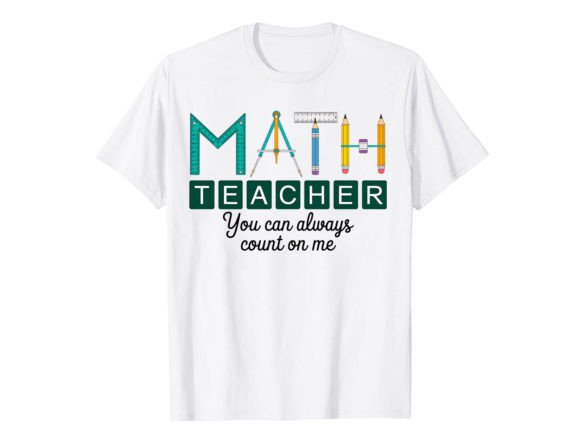
The first thing that strikes you about the Math Teacher You Can T-Shirt Design is its balanced composition. It does not rely on overly complex gradients or microscopic details that vanish in translation. Instead, it offers a clean, bold statement that pairs educational themes with a touch of humor. For an embroidery designer, this is crucial. Complex shading often requires excessive thread changes and dense fill stitches, which can puckers lightweight fabrics. This design appears to favor clarity, making it an excellent candidate for both satin stitch outlines and moderate fill stitch areas.
The mood is professional yet approachable. It captures the spirit of educators who take pride in their subject matter without being stiff. When I visualized this on a mockup, it felt right at home on casual wear. It is not just a logo; it is a conversation starter. For those of us creating custom apparel for local schools or teacher appreciation weeks, this visual personality hits the sweet spot between fun and respectful.
Real-World Application: From Digital File to Finished Product
To truly test the viability of this design, I imagined a specific real-life scenario: preparing a custom order for a high school math department head retiring after thirty years. The client wanted a personalized gift that was durable enough for daily wear but special enough for a farewell ceremony. I considered using the Math Teacher You Can T-Shirt Design on a high-quality cotton sweatshirt.
In this context, the design performs exceptionally well. The layout allows for a medium-sized hoop, likely 5x7 or 6x10 inches, which provides enough surface area for the text and graphical elements to breathe. On a sweatshirt, the fabric texture helps hide minor imperfections in stitch density, making the final finished product look plush and professional. The contrast between the thread colors and the garment would be key here. I would recommend using a bright, contrasting thread for the main elements to ensure readability, while keeping secondary details subtle.
Beyond sweatshirts, this design translates effectively to other items. Imagine it as a tote bag design for a teacher’s classroom library books, or even as an embroidered patch that can be ironed onto a denim jacket. The versatility mentioned in the product description—suitable for banners, posters, and mugs—suggests the original graphic is high resolution. However, for embroidery, we must focus on how those shapes convert to stitches. The clean lines suggest it would work well as an applique design if scaled up for a larger project like a pillow cover or blanket, reducing stitch count and production time significantly.
Navigating Technical Challenges and Fabric Choices
While the design is strong, practical application requires caution. Not every fabric is forgiving. If you plan to use this on a cap or hat, remember that curved surfaces distort designs. The Math Teacher You Can T-Shirt Design should be tested on a curved mockup first. If the text is arched, it may need adjustment to prevent legibility issues when stitched on a structured cap. Additionally, stretchy fabrics like performance tees require careful stabilization. Without a proper cut-away stabilizer, the tension from the fill stitches could cause the fabric to warp, ruining the crisp look of the math-themed graphics.
Another consideration is the level of detail. If the design includes tiny equations or small symbols, these might become lost if the stitch density is too high or if the thread weight is too thick. I always advise running a test stitch-out on scrap fabric identical to your final material. This allows you to check if the running stitch underlays are sufficient to anchor the design without pulling the fabric. For dark fabrics, ensure your digitizing includes a solid underlay to prevent the garment color from showing through the threads, which can muddy the visual appeal.
Enhancing Brand Value and Customer Trust
For Etsy sellers and small shop owners, the quality of your design directly impacts perceived value. A sloppy embroidery job can deter repeat customers, but a clean, well-executed design builds trust. The Math Teacher You Can T-Shirt Design offers a professional look that elevates a simple t-shirt into a boutique item. When customers see clear, consistent stitching and thoughtful design placement, they associate that quality with your brand.
This design also supports better marketing. Because it is visually distinct, it photographs well for online listings. Using the included mockup can help you create compelling printable mockup images for your digital store, showing potential buyers exactly how the design looks on various products. This transparency reduces return rates and increases buyer engagement. Whether you are selling holiday embroidery gifts for Christmas or back-to-school personalized gift items, having a reliable, attractive design asset streamlines your workflow.
Practical Notes for the Embroidery Designer
Before you load this file into your machine, consider these practical steps to ensure success:
- Check the Format: The product description mentions PNG files. Remember that PNG is a raster image, not a native embroidery file. You will need to use digitizing software to convert the graphic into a machine-readable format, adjusting stitch types and density manually. Do not assume auto-digitizing will yield perfect results.
- Test Thread Colors: Math themes often use blues, blacks, and whites. Test different combinations to see what pops against your chosen fabric. High contrast is essential for readability.
- Verify Licensing: Always confirm the license terms before selling finished items. Ensure the commercial use rights cover the specific products you intend to make, such as commercial embroidery for local businesses or schools.
- Inspect Small Details: Zoom in on the digital file. Are there any pixels that look jagged? These areas may require smoothing in your digitizing software to prevent thread breaks or uneven stitching.
- Consider the Hoop Size: Plan your placement carefully. Ensure the design fits comfortably within your hoop with adequate margin for framing, especially if you are working with smaller items like baby clothes or caps.
In conclusion, the Math Teacher You Can T-Shirt Design is a promising asset for designers who understand the bridge between digital graphics and physical stitching. It offers a clear, engaging theme that resonates with its target audience. By paying attention to fabric choice, stabilization, and proper digitizing techniques, you can transform this graphic into a high-quality handmade product that stands out in a crowded market. It is not just a design; it is a tool for creating meaningful, professional-grade embroidered goods.